
Overview
Keeping hydrated
To stay hydrated, you need to aim to have 1.6 to 2 litres (about 6 to 8 glasses) of fluid every day. If you keep hydrated, this can prevent or help to treat:
- constipation
- low blood pressure
- urinary tract infections (UTIs)
- pressure ulcers (skin and tissue damage from being under pressure for too long)
- falls
This information:
How to tell if your pee is healthy
The colour and smell of your pee (urine) can show whether your body is at risk of dehydration. This is when your body loses more fluids than it takes in.
You may find the following scale helpful:
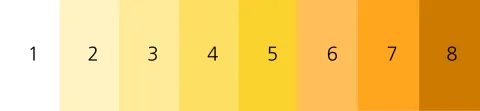
Interpreting the scale
There is an easy to remember rule for interpreting the pee scale. Healthy pee is 1 to 3, while 4 to 8 means that you must hydrate.
1. Pale pee with no smell
Amount: large or normal volume
Smell: minimal or none
2. Pale, slightly yellow pee with no smell
Amount: large or normal volume
Smell: minimal
3. Pale yellow pee with no smell
Amount: moderate to large
Smell: minimal
4. Light yellow pee with slight smell
Amount: moderate
Smell: mild, slightly noticeable
5. Bright yellow pee with slightly stronger smell
Amount: moderate
Smell: slightly stronger and may have a mild scent of ammonia
6. Orange-like pee with a noticeable smell
Amount: low to moderate (concentrated)
Smell: noticeable and may have a stronger smell of ammonia
7. Orange pee with a strong smell
Amount: low (concentrated)
Smell: strong and pungent
8. Dark orange or brown pee with a very strong smell
Amount: very low (highly concentrated)
Smell: very strong and pungent, which may indicate dehydration or other health issues)
Tips to stay hydrated
Here are some practical tips to help keep you hydrated:
Do
- Choose drinks that you are most likely to enjoy and finish. All fluids help to prevent dehydration, except for alcoholic drinks.
- Use the pee scale to check if your pee is healthy. The colour of your pee can indicate whether you are at risk of dehydration.
- Serve drinks at their optimum temperature and fill up any drink that has been left to stand.
- Choose nourishing fruit, milk or plant-based drinks if you are not eating well or need to gain weight.
- Choose water, skimmed milk or sugar-free drinks if you have diabetes or are trying to lose weight.
- Replace any fluid that you lose through sweat, open wounds, diarrhoea or vomit to prevent dehydration. You sweat more in warm conditions and when you are more active.
- Drink more fluids earlier in the day if you worry about getting up at night to pee.
- Adjust how much you drink according to your daily routine and take a bottle of drink with you when you go out.
- Use cups with spouts, mugs with handles or plastic tumblers if you find them lighter and easier to handle.
Don't
- Do not wait until you feel thirsty to have a drink. Thirst is a late response to dehydration.
- Do not limit how much fluid you drink if you have urinary incontinence (the unintentional passing of urine). This can make the condition worse because it reduces your bladder’s capacity.
Resource number: 4064/VER4
Last reviewed: February 2026
Next review: February 2029

